
Termite Control
Where they live
Wooden studs, door or window frames, fences, floorboards, and wood near chimneys or hot water pipes (they like it warm and moist): all are attractive, so long as there's soil nearby. In fact, most termites live underground. Look for hollow mud tubes that cover their pathways. Colonies take 4 to 10 years to grow big enough to make swarmers. Throughout the summer, inspect around your house, especially ground-floor areas that could have a moisture problem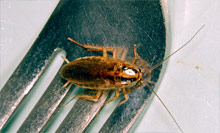
Cockroach Control
If you find evidence act now.
- Don’t carry them home: check paper bags or boxes.
-Keep them out: Some of the big ones can wander in on their own from outside.
- Give them no place to hide
- Don’t feed them: Put food in containers that seal tight
What they eat
A crumb on the counter, a drop of grease splattered on the wall—these can feed a cockroach a good while. With a little food and water they will feel right at home.
Rodent Control
What they do
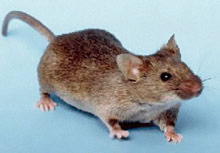
Destructive and disease carrying—not a pest you want in your home. Remember those front teeth? Rodents gnaw to get where they want to go. These teeth are hard as steel so rodents don’t discriminate. If they chew through electrical wires, your house could burn down. Mice drip pee wherever they go. But the pee could trigger asthma, and mice carry diseases too.
Flies Control
What they look like
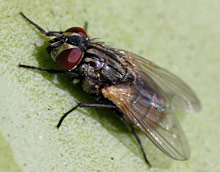
All flies have two wings. If you've got flies inside they're most likely small fruit flies, shiny green or blue blow flies, window-loving cluster flies, or your standard-issue house flie
What they do
Spread germs around.
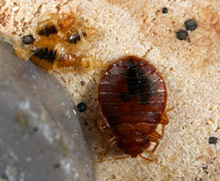
Bed Bug Control
Feed on you as you sleep, but if you’re not around they can go over a year without food. Bites look like a rash or welts—or you may not notice them at all. Bed bugs don’t transmit disease.
Rely on the pest management professional (PMP) for all pesticide use. Focus on preventing introduction and detecting them early. Educate residents and staff about how to prevent bed bugs from hitchhiking on their belongings. Make sure procedures are in place for prompt and proper furniture removal from the property.
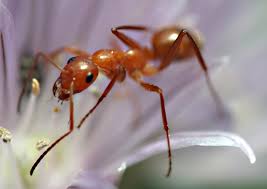
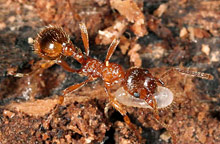
Ant Control
Learn which ant you have so you can take the right steps toward control. Identification is possibly the most important step in ant IPM—the kind of ant will determine whether you should focus efforts indoors or out and also what pesticides will work. These pests are picky! Ask your pest management professional Extension office for help with ID. If you’ve got a magnifying glass and aren’t afraid to get up-close-and personal, compare your pest to the ants on the UC IPM Ant Manage.
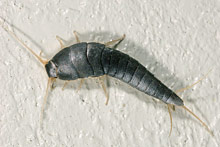
Occasional Infesters
They need warmth and moisture. Keep up with your routine vacuuming and take measures to dehumidify and your problem will probably go away.
If the problem isn't going away and you're seeing more than three at once, consider calling a pest management professional. Like ARTAPEST control
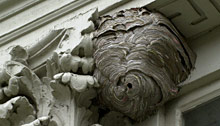
Stinging Pests
What they look like
Most bees, wasps, hornets, and yellowjackets are either yellow and black or a shiny dark blue. All have four wings, and many have a narrow waist. Bees are furry, but wasps (including hornets and yellowjackets) usually look shiny. Not all stinging pests have wings. Furry caterpillars, for instance, could have stinging hairs that cause rashes or welts.